
A dental crown falling off can feel alarming, especially if you’re in the middle of eating or speaking when it happens. While it’s a situation that calls for prompt attention, it’s not necessarily a dental emergency if you’re not in severe pain. Staying calm and knowing how to respond can help protect your tooth until you can see your dentist.
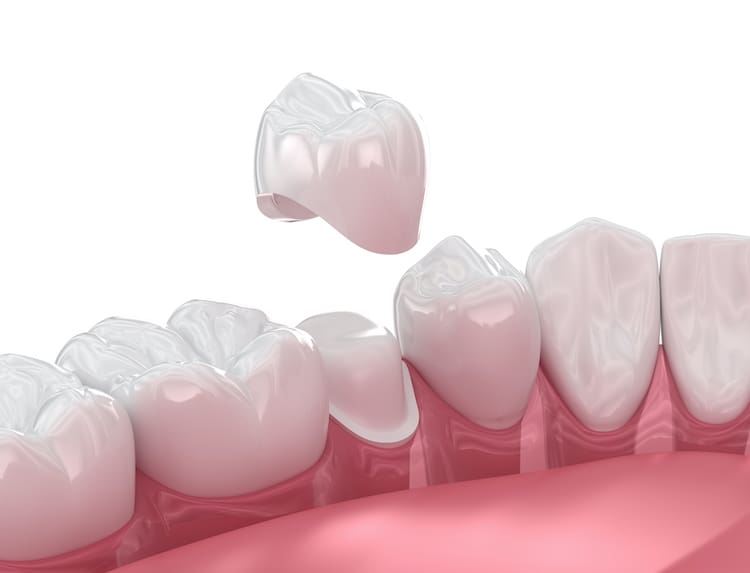
Stay Calm and Locate the Crown
The first step is to retrieve the crown if possible. Whether it fell out while you were eating or brushing, try to find it and store it in a safe, clean container. Do not attempt to reattach the crown permanently on your own with household glues or adhesives. These are not safe for oral use and can cause further damage to your tooth or the crown itself.
Inspect the crown and the exposed tooth. If the crown looks intact and the tooth doesn’t appear broken or painful, you’re likely in a more manageable situation. On the other hand, if the tooth is jagged, cracked, or you’re in pain, it could indicate underlying damage that requires more immediate care.
Protect the Exposed Tooth
Once a crown falls off, the underlying tooth is left vulnerable to temperature sensitivity, decay, and injury. It’s important to protect it until you can get dental care. Over-the-counter temporary dental cement, available at most pharmacies, can be used to cover the exposed tooth. Avoid chewing on the affected side of your mouth and steer clear of sticky, hard, or very hot or cold foods. Brushing gently around the area and rinsing with warm salt water can help keep it clean and reduce the risk of infection or inflammation.
Contact Your Dentist Promptly
Even if you’re not in pain, it’s important to schedule a dental appointment as soon as possible. The sooner your dentist can assess the situation, the more likely it is that the original crown can be re-cemented without complication. Waiting too long can lead to further deterioration of the tooth. This might necessitate a new crown or even more complex treatment like a root canal.
When you speak with your dentist, let them know whether you’re experiencing pain, sensitivity, or swelling. This information can help them determine how quickly you need to be seen. If the crown has visible damage, bring it with you to your appointment. Your dentist can evaluate whether it’s salvageable or needs to be replaced.
Understanding Why Crowns Fall Off
Crowns can come loose or fall off for several reasons. The most common include decay under the crown, which weakens the cement that holds it in place, or trauma from biting down on something hard. In some cases, normal wear and tear over time can also loosen the bond. Understanding why your crown failed can help you and your dentist prevent similar issues in the future. This might involve improving oral hygiene practices, addressing nighttime teeth grinding, or using a stronger adhesive for the crown.
Preventing Future Issues
To avoid future problems with dental crowns, keep up with regular dental checkups, and follow your dentist’s care instructions closely. If you notice any looseness, discomfort, or sensitivity around a crowned tooth, don’t wait for it to fall off, Schedule a visit to have it evaluated. Using a mouthguard during sports or at night if you grind your teeth can also extend the lifespan of your crowns.
Dental Crown Care in Bethlehem, PA
If your dental crown loosens or falls out, don’t panic. Center Valley Dental is here to help restore your bite and smile. Contact our office right away to schedule your appointment as soon as possible and prevent further complications.