
Modern dental care continues to evolve, and one of the most exciting innovations to gain popularity in recent years is laser dentistry. Many patients hearing about it for the first time have the same questions about safety. Understanding how dental lasers work and the safeguards that surround their use can help you feel more confident during your next visit.
Understanding How Laser Dentistry Works
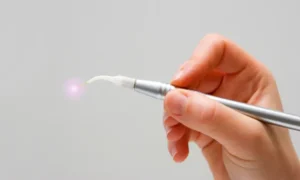
Laser dentistry uses concentrated beams of light to perform a wide range of dental procedures. Depending on the wavelength and type of laser, dentists can use this technology to remove decay, reshape gums, whiten teeth, and even treat infections. Unlike traditional tools that rely on physical force, lasers interact with tissues through light energy, which allows for precise and targeted treatment.
There are two main types of dental lasers. Hard-tissue lasers are designed for teeth, helping with cavity preparation or repairing worn fillings, while soft-tissue lasers work on gums and other delicate areas of the mouth. Because each laser is tuned for specific tasks, dentists can choose the safest option for the procedure at hand.
Safety Standards and Professional Training
One of the biggest reasons laser dentistry is considered safe is the strict professional training required to use these tools. Dentists must complete specialized courses to understand the science behind lasers, learn tissue-interaction principles, and practice hands-on techniques before using them on patients. These guidelines ensure practitioners are equipped to deliver safe and effective care.
Dental lasers themselves are regulated medical devices. They must meet rigorous safety and manufacturing standards before being approved for clinical use. During a procedure, both you and your dental team wear protective eyewear designed for the specific wavelength of the laser. This precaution prevents accidental exposure and ensures the treatment environment remains safe.
Reduced Pain and Greater Comfort
Many patients find laser dentistry more comfortable than traditional methods. The absence of vibration and pressure from drills can reduce sensory discomfort. Because lasers are precise and create less trauma to surrounding tissues, they often lessen the need for anesthesia. Some procedures may even be performed without numbing at all, especially gum treatments.
In addition to reduced discomfort during treatment, lasers may minimize postoperative pain. Since they cauterize tissue as they work, bleeding is reduced, swelling is kept to a minimum, and healing tends to be faster. These benefits contribute to an overall safer and more pleasant treatment experience.
Lower Risk of Infection
Lasers naturally sterilize the area they contact, which decreases bacterial presence during dental procedures. This effect is particularly helpful when treating gum disease or performing surgical procedures. The lowered infection risk is one of the reasons dentists choose laser options for patients with compromised immune systems or heightened sensitivity to infection.
Are There Risks?
While laser dentistry is safe, no dental technique is entirely without risk. The most common concerns relate to improper use, which is why training and certification are essential. An untrained provider could potentially use the wrong type of laser or incorrect settings, so choosing an experienced dentist is vital. Another limitation is that lasers cannot replace every traditional tool. Certain cavities or restorations still require conventional drilling. In these cases, dentists may combine laser and traditional techniques to get the best result safely and efficiently.
Laser Dentistry in Coopersburg, PA
At Center Valley Dental, your oral health is our top priority. We utilize the latest in dental technology to better ensure safe and effective treatments. Contact our office today to schedule a consultation and learn more about the benefits of laser dentistry.